New technique provides novel approach to diagnosing ciliopathies
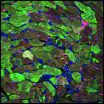
Cilia, the cell's tails and antennas, are among the most important biological structures. They line our windpipe and sweep away all the junk we inhale; they help us see, smell and reproduce. When a mutation disrupts the function or structure of cilia, the effects on the human body are devastating and sometimes lethal. The challenge in diagnosing, studying and treating these genetic disorders, called ciliopathies, is the small size of cilia -- about 500-times thinner than a piece of paper. It's been difficult to examine them in molecular detail until now. Professor ...
Read the release