Bismuth-based catalysts: Promising candidates for electrochemical CO2 reduction to formate
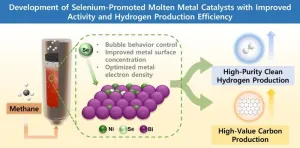
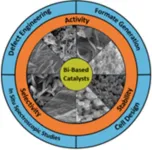
The electrochemical reduction of CO2 has been recognized as a promising strategy to convert ambient atmospheric CO2 into valuable products. Bismuth-based catalysts have garnered the widespread attention of researchers due to their cost-effectiveness, low toxicity, and high natural abundance. Significant progress has been made toward enhancing the reactivity of catalyst structures through innovative synthesis techniques and engineering. Advances include the use of flow cells and membrane electrode assembly (MEA) cells to attain high cathodic current densities of over 200 mA cm-2 with superior ...
Read the release