SynGAP Research Fund becomes CURE SYNGAP1, sharpening its focus on treatment for a rare brain disorder
CURE SYNGAP1
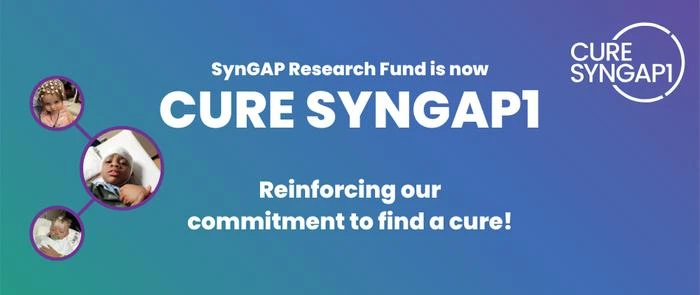
CURE SYNGAP1 is the new name. The mission is the same one the organization has carried since parents of children with SYNGAP1-related disorders founded it in 2018: develop treatments for a rare genetic condition that disrupts brain function in ways that touch nearly every aspect of a child's development.
The organization, previously known as the SynGAP Research Fund, announced the formal name change on March 17, 2026. It follows a pattern established by other rare disease groups - FAST for Angelman syndrome, cureDravet, cureSMA - that have adopted names signaling urgency and unmistakable purpose. For families navigating a complex diagnosis and researchers scanning the rare disease landscape, the word "cure" in the name leaves no ambiguity about what the organization exists to do.
A protein deficit that scrambles neural communication
SYNGAP1-related disorders arise from variants in a single gene, SYNGAP1, that reduce levels of the protein it encodes. That protein acts as a regulator at synapses - the junctions where neurons communicate with each other. When SYNGAP1 protein levels fall below normal, synapses become overexcitable. Neurons fire too easily and communicate poorly, producing a cascade of neurological problems.
The clinical consequences are broad. Most patients experience intellectual disability, often severe. Epilepsy affects a large proportion. Autism spectrum disorder is common. Children typically show global developmental delay, low muscle tone, and difficulties with both gross and fine motor skills. Visual abnormalities, disordered sleep, and gastrointestinal issues round out a symptom profile that demands constant medical attention and reshapes family life entirely.
The condition received its own ICD-10 code (F78.A1), a milestone that may seem bureaucratic but matters enormously for insurance coverage, research funding, and clinical recognition. As of the most recent count, CURE SYNGAP1 has identified over 1,707 patients worldwide, with new cases appearing weekly as genetic testing becomes more accessible.
Eight million dollars in grants and a global network
Since its founding, the organization has committed over 8 million dollars in research grants through pilot, one-year, and two-year funding mechanisms. The grants span basic science, translational research, drug repurposing, biomarker development, and natural history studies - the full pipeline that a rare disease needs to move from gene identification to clinical trials.
The SYNGAP1 PROMMIS natural history study, which tracks how the condition progresses over time in a standardized way, provides the kind of baseline data that regulatory agencies require before approving clinical trials. Without natural history data, there is no way to demonstrate that an experimental treatment changes the course of the disease.
CURE SYNGAP1 operates with sister organizations in the UK (founded 2020), the Netherlands (2022), Australia (2023), and Colombia (2023). The structure is entirely family-led - parents of affected children occupy the leadership positions, a model common in rare disease advocacy that brings both emotional urgency and practical understanding of patient needs to strategic decisions.
Current priorities: clinical trial readiness
The organization's 2026 funding priorities focus explicitly on milestones required for clinical trial readiness. This includes biomarker validation - identifying measurable biological signals that can serve as endpoints in trials - and continued enrollment in the natural history study. Drug repurposing efforts, which test whether existing approved medications might benefit SYNGAP1 patients, represent the fastest potential path to treatment because they skip years of safety testing.
The broader research community studying genetic epilepsies and neurodevelopmental disorders has grown substantially in recent years, driven partly by advances in gene therapy and antisense oligonucleotide technology. CURE SYNGAP1 participates in networks including COMBINEDBrain, the Epilepsy Leadership Council, and the Alliance for Genetic Etiologies in Neurodevelopmental Disorders and Autism (AGENDA), connecting its patient population to broader therapeutic development efforts.
What a name change cannot do
Rebranding does not accelerate biology. The fundamental challenge of SYNGAP1-related disorders remains: restoring protein levels in the brain of a living patient requires delivering genetic or pharmacological therapies across the blood-brain barrier and into the right cells at the right time. Gene therapy approaches for single-gene brain disorders are advancing but remain early-stage for most conditions. No disease-modifying treatment for SYNGAP1-related disorders currently exists.
The patient population, while growing as diagnostic rates improve, remains small by the standards of drug development economics. Pharmaceutical companies face limited commercial incentives to pursue treatments for a condition affecting fewer than 2,000 identified patients globally. The orphan drug framework provides some regulatory and financial incentives, but rare disease organizations like CURE SYNGAP1 typically must fund the early-stage research themselves to generate enough data to attract industry partners.
The organization's impact report, published annually, provides transparency on how grant funds are allocated and what research milestones have been reached. For an organization that depends on family fundraising and philanthropic support, this accountability matters.
From acronym to imperative
The transition from SynGAP Research Fund to CURE SYNGAP1 is, at its core, a communication decision. The old name described the organization's structure. The new name states its goal. For families receiving a SYNGAP1 diagnosis - often after months or years of unexplained developmental delay and diagnostic testing - finding an organization whose name promises a cure carries psychological weight that should not be underestimated.
Whether that promise can be fulfilled depends on science that is still unfolding. But the infrastructure the organization has built - the grant program, the natural history study, the global patient registry, the research networks - represents exactly the kind of groundwork that successful rare disease treatment programs have required in the past. The name now matches the ambition. The biology will determine the timeline.