Air pollutants commonly found indoors could have an impact on creativity, NTU Singapore scientists find
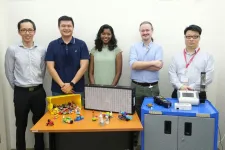
Air quality in the office may affect our level of creativity at work, scientists at Nanyang Technological University, Singapore (NTU Singapore) have found. Working with the global air filter manufacturer Camfil on a shared research project, the NTU Singapore scientists found in a study that high levels of volatile organic compounds – gases released from products such as detergents, pesticides, perfumes, aerosol sprays and paint – affected the study participants’ creativity when they were asked to build 3D models with LEGO bricks. Using a statistical analysis, the NTU team estimated that reducing total ...
Read the release