These eight habits could lengthen your life by decades
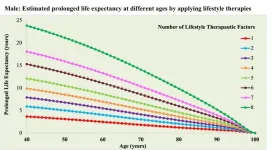
A new study involving over 700,000 U.S. veterans reports that people who adopt eight healthy lifestyle habits by middle age can expect to live substantially longer than those with few or none of these habits. The eight habits are: being physically active, being free from opioid addiction, not smoking, managing stress, having a good diet, not regularly binge drinking, having good sleep hygiene, and having positive social relationships. According to the results, men who have all eight habits at age 40 would be predicted to live an average of 24 years longer than men with none of these habits. For women, having all eight healthy lifestyle factors ...
Read the release