Climate science is catching up to climate change with predictions that could improve proactive response
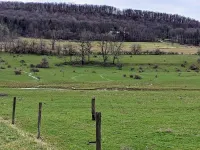
In Africa, climate change impacts are experienced as extreme events like drought and floods. Through the Famine Early Warning Systems Network (which leverages expertise from USG science agencies, universities, and the private sector) and the IGAD Climate Prediction and Applications Center, it has been possible to predict and monitor these climatic events, providing early warning of their impacts on agriculture to support humanitarian and resilience programming in the most food insecure countries of the world. Science is beginning to catch up with and even ...
Read the release