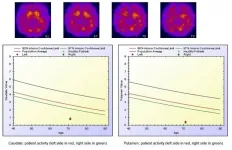
Molecular imaging offers insight into chemo-brain
Reston, VA—A newly published literature review sheds light on how nuclear medicine brain imaging can help evaluate the biological changes that cause chemotherapy-related cognitive impairment (CRCI), commonly known as chemo-brain. Armed with this information, patients can understand better the changes in their cognitive status during and after treatment. This summary of findings was published ahead-of-print by The Journal of Nuclear Medicine. CRCI describes a clinical condition characterized by memory and concentration impairment, difficulties with information processing ...
Read the release