Enlisting the newly discovered L-IST RNA in the fight against type 2 diabetes
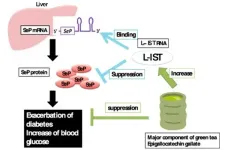
Across the world, type 2 diabetes is on the rise. A research group has discovered a new gene that may hold the key to preventing and treating lifestyle related diseases such as type 2 diabetes. The results of their research were published in the journal Nucleic Acids Research on June 18, 2021. Selenoprotein P (SeP) is an essential plasma protein containing the micronutrient selenium. However, too much SeP spells trouble. Excess SeP increases insulin resistance, thus weakening the effect of insulin, and worsening the metabolism of glucose. "Excess SeP is the enemy when it comes to type 2 diabetes," stressed professor Yoshiro Saito from the Graduate School of Pharmaceutical Sciences at Tohoku University and co-author of the ...
Read the release